

Walk away from diabetes…
You can do this by stepping forward to a consistent workout routine. Right exercises can help you keep your blood sugar levels in check. Unsure where to start? Here are ten practical and effective exercise tips to help you.
1. Consistency is Key
Today, tomorrow, day after, and forever…
This is how your exercise plan should look like. Regular, uninterrupted exercise has been proven effective in maintaining stable blood glucose levels. When you maintain a consistent exercise routine, you can expect enhanced insulin sensitivity.
Naturally, this makes it easier for your body to use glucose optimally.
Alert: If you are following a broken exercise pattern, be careful! This can lead to fluctuations in blood sugar and reduce the overall efficiency of diabetes management.
2. Ensure Relevance and Variation

Take this: Mr. A & Ms. B are diabetic. Both follow a proper diabetic diet and take medicines regularly. Besides – they work out consistently. Mr. A is fond of bicep curls. On the other hand, Ms. B prefers brisk walking, cycling, yoga, pilates, and strength training for 90 minutes daily.
Guess what?
Mr. A struggles to manage his condition, but Ms.B’s blood sugar level is always in check.
Why is it so? Well — this is because just exercising doesn’t help. You will have to maintain relevance and variation in your routine.
Fast Fact: Different types of exercise help with the best outcomes. For example, swimming provides a full-body workout and improves cardiovascular health. Cycling, on the other hand, enhances cardiovascular fitness. Yoga helps reduce stress and strengthen flexibility. Likewise, strength training improves insulin sensitivity and blood sugar control.
3. Set Realistic Goals

Your goal may seem out of reach, but it shouldn’t be out of sight!
If you have just started out or often feel overwhelmed in managing your workout routine, then it’s time to reconsider your exercise goals.
Start with small and achievable ones. Aim for at least 30 minutes of moderate exercise most days of the week. If that seems too much, break it into smaller sessions.
And it gets even better when you celebrate your progress, no matter how small.
4. Stay Motivated

You can’t do it anymore…
It’s pretty standard to lose motivation and give up on consistency. But things don’t have to be that daunting.
To keep exercise fun, simply find activities you enjoy. Whether it’s dancing, hiking, or playing a sport, do what you love.
Pro tip: Exercise with a friend or join a group. Having a workout buddy can keep your spirit high.
5. Monitor Blood Sugar Levels

Is it working out?
It’s crucial to determine whether your exercise pattern is progressing. Ideally, you should monitor your blood sugar levels before and after exercise to understand how different activities impact you. This helps you adjust your routine and avoid low blood sugar episodes.
Note: Keep a snack on hand in case your blood sugar drops. This ensures you stay safe while working out.
6. Stay Hydrated

Do you drink water just because you want to surprise your liver?
If yes, pay attention to hydration now. Staying hydrated is crucial, especially when exercising. Water helps regulate body temperature through sweating, which, in turn, prevents overheating. Moreover, proper hydration ensures efficient blood flow and heart function. Hydration supports muscle recovery and optimizes metabolic function.
If you don’t drink enough water, you are more likely to develop dehydration, which can affect your blood sugar levels and overall performance.
So – drink water before, during, and after your workout.
Statutory warning: Avoid sugary drinks at every cost – they can spike your blood sugar levels.
7. Safety Matters

You will end up with strained muscles and unexpected injuries after exercising…
If you are not taking enough safety measures, you are at risk. Ensure your techniques are proper; this will help prevent strain on joints and muscles. Besides, consider your existing health issues before you start so that you don’t end up creating new ones.
Start with a warm-up and prepare your muscles and joints for upcoming activities. Also, use the right gear and equipment to ensure reduced chances of accidents.
Gradually increase the intensity and duration – this helps prevent overexertion and minimizes the risk of overuse injuries. Wear comfortable shoes and appropriate clothing. Proper gear can make a big difference in your exercise experience.
Tip of the century: Listen to what your body says. Pay attention to the signs of discomfort. If you are not feeling well, adjust your workout routine appropriately. If required, onboard a skilled trainer.
8. Consider Strength Training
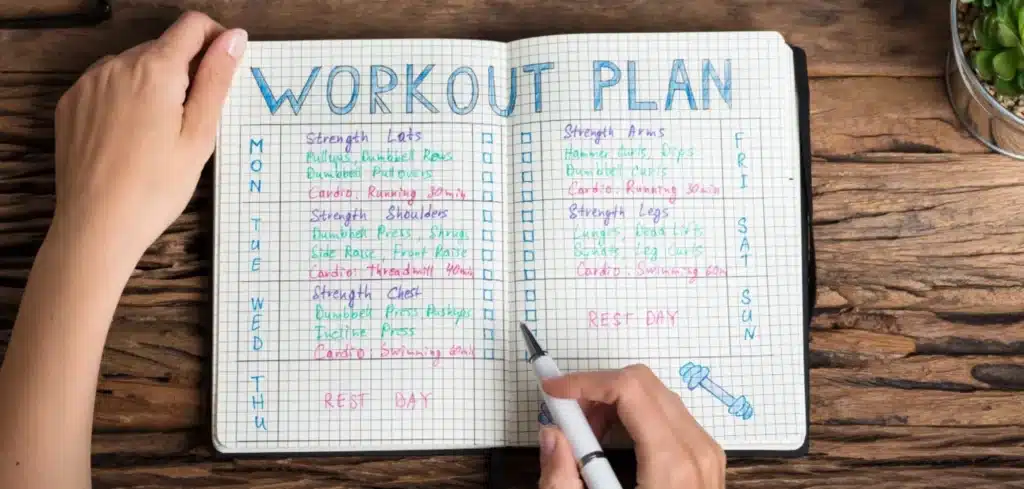
Strength is good!
If you are a diabetic, strength training can do wonders. It helps increase muscle mass and improve insulin sensitivity. Moreover, it contributes to enhanced blood sugar control, reducing the risk of complications associated with diabetes.
Strength training also helps manage weight better. It focuses on building muscle, which burns more calories than fat and helps maintain a healthy weight. Thanks to its versatility, combining strength training with aerobic exercises can improve heart health and reduce stress.
Disclaimer: If you are experiencing health problems that go along with type-2 diabetes, avoid strength training. Such complications may include diabetes-related nerve damage or peripheral neuropathy, eye problems, etc.
9. Flexibility Exercises

“I’m completely flexible, provided everything goes exactly how I want it.”
Is that so you?
If yes, at least consider enhancing your physical flexibility. Consider exercises like stretching or yoga. They can help improve your range of motion and prevent injuries. They also promote relaxation and reduce stress, which is beneficial for managing diabetes.
Perform flexibility exercises daily, even on rest days. They’re a great way to stay active and enhance overall fitness.
10. Stick to a Routine

Let’s face it – only your mindset can help you separate the best from the rest.
It’s about creating a balanced workout routine and following it properly. You may lack motivation or feel lethargic, but you must overcome these obstacles. Spice it up with a mix of exercises, including aerobics, strength training, flexibility workouts, etc.
Set new challenges and aim for better results. However, avoid overdoing it — respond positively to your body’s call.
Move it Like a Pro
Now that you know exercise is a powerful tool for managing diabetes, hit the floor today. Create a routine that works for you, and enjoy the benefits of an active lifestyle. Struggling to plan your workouts? Or unable to drive results even after genuine trials?
Follow the shared tips and get in touch with a reliable trainer. You will surely learn to move it like a pro. Stay active, go healthy!
Have more tips to share? Drop them in the comments and help others!

Flexibility exercises are a game changer, really helps with mobility and stress too.
Totally agree, it complements my yoga routine as well.
Can i become elastigirl with flexibility exercises? lol
how does strength training help exactly, not too clear on that
staying hydrated is super important, glad to see it mentioned here! water is life, people!
I tried sticking to a routine before but always end up missing days, lol. Maybe its about setting those realistic goals like the article says.
Hang in there! Goals are definitely key. You got this!
does anyone know how often we gotta check our blood sugar if we start working out? kinda confused about that part, Ely Fornoville.