

Living with diabetes doesn’t have to feel like a nonstop calculation. Between checking blood sugar, tracking meals, and fitting in exercise, small adjustments can make your days smoother and your glucose levels steadier. These diabetes “hacks” are based on real-world habits that work for many people managing type 1 and type 2 diabetes.
Table of Contents
1. Keep Fast-Acting Carbs by Your Bed
Nighttime lows can strike without warning and leave you groggy or disoriented.
Keeping fast-acting carbs—like glucose tablets, juice boxes, or mini bottles of Gatorade—on your nightstand helps you correct quickly and get back to sleep.
Pro tip: Stick to measured doses (around 15 grams of carbs). That avoids over-treating and causing a rebound high later.
2. Short Daily Workouts Lower Blood Sugar Naturally

You don’t need marathon workouts to manage diabetes effectively.
A 20- to 30-minute brisk walk or light run each day improves insulin sensitivity and smooths out highs and lows better than occasional intense sessions.
Choose activities you enjoy—walking, cycling, yoga, or swimming—so you’ll stay consistent.
Even short, daily movement can reduce average blood sugar (A1C) over time.
3. Break Stubborn Highs with Water + Movement + Timing
Sometimes insulin alone doesn’t budge a stubborn high. Before doubling your dose, try pairing your correction with a glass of water and light movement.
Hydration supports insulin function, while a short walk encourages your muscles to absorb glucose faster.
Track what works for you—hydration, movement, or timing tweaks—to see patterns in your own data.
4. Pre-Bolus Smarter, Not Harder
Pre-bolusing (taking insulin before meals) helps prevent post-meal spikes—but timing depends on what you eat.
- Fast carbs (like cereal): bolus 15–20 minutes before eating.
- Slow meals or restaurants: split (wave) your dose, taking half upfront and the rest once food arrives.
The goal: match insulin action to how quickly your food digests, not to rigid rules.
5. Organize Meals to Reduce Glucose Spikes
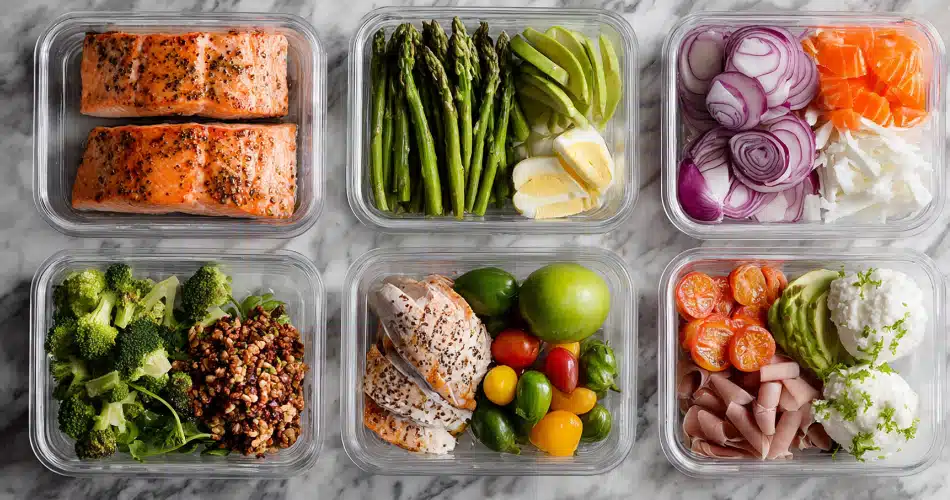
How you eat can matter as much as what you eat. Try this order: Vegetables → Protein → Carbs.
Starting with fiber and protein slows digestion and flattens glucose spikes.
Another easy hack: cook, cool, and reheat starchy carbs like rice or pasta. Cooling changes starch structure, lowering its glycemic impact.
6. Use Exercise as a Post-Meal Blood Sugar Tool
After-meal movement acts like an extra dose of insulin.
A 10- to 15-minute walk after a carb-heavy meal (pizza, pasta, dessert) helps your muscles pull sugar from the bloodstream more efficiently.
If you use a continuous glucose monitor (CGM), you’ll often see a visible difference in your post-meal curve after even light activity.
7. Travel Prepared—Always
Travel can throw off your schedule and supplies. Pack at least two weeks more insulin, sensors, and pump supplies than you expect to use.
Keep everything critical—insulin, CGM sensors, backup pens—in your carry-on, not checked luggage. Use an insulin cooler to keep your insulin cool and protected against warm weather.
Add a medical ID bracelet (ideally in your destination’s language) and store insulin in two separate containers in case one gets too warm.
8. Adjust Basal Insulin Around Exercise
If you use an insulin pump, lowering basal rates by 25–50% about 90 minutes before exercise can prevent both highs and lows.
For those on injections, talk with your provider about timing adjustments instead of relying only on pre-workout carbs.
Working with your body’s rhythms reduces stress and makes activity more predictable.
9. Stock Up on Simple, Measured Low Snacks
When lows hit, precision matters.
Keep small, pre-portioned items handy—glucose tabs, honey packets, or mini candy packs—in your bag, desk, car, and nightstand.
That way you can treat discreetly and accurately, without overcorrecting or spiking.
10. Don’t Forget the Basics: Hydration & Patience
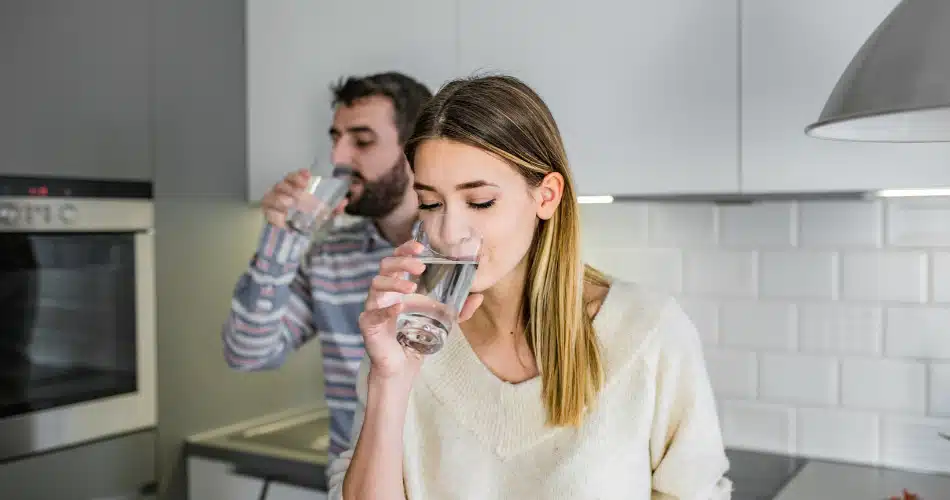
Water helps insulin work efficiently and stabilizes blood sugar. Aim for steady hydration throughout the day.
Just as important: give yourself grace. Diabetes management isn’t about perfection—it’s about consistency. Off days happen; persistence matters more than flawless numbers.
Bonus Hack: Try a Continuous Glucose Monitor (CGM)
If finger sticks or guessing frustrates you, a CGM offers real-time glucose feedback. You’ll spot trends, understand meal effects, and adjust faster.
Many people find that simply seeing their numbers helps them make better food and activity choices.
Final Thoughts: Small Changes, Big Results
Managing diabetes is a marathon, not a sprint. Small, repeatable actions—hydration, smart meal timing, daily walks—add up to steadier numbers and a calmer routine.
Try one or two of these diabetes hacks this week. Track your results, stay flexible, and remember: progress is better than perfection.
Frequently Asked Questions
What are easy daily hacks for diabetes management?
Small daily habits—like short walks, meal timing, and keeping glucose tabs nearby—can make blood sugar control easier. These practical diabetes hacks reduce spikes and help prevent lows.
Does walking after meals help lower blood sugar?
Yes. Even a 10–15 minute walk after eating can significantly lower post-meal glucose levels by helping your muscles absorb sugar more efficiently.
How can I prevent nighttime low blood sugar?
Keep fast-acting carbs (like glucose tablets or juice) by your bed, monitor your evening insulin doses, and consider a small balanced bedtime snack if you tend to drop overnight.
Are continuous glucose monitors (CGMs) worth it?
Absolutely. CGMs show your glucose levels in real time, helping you spot trends, catch lows early, and adjust your routine for better daily control.
