

If you have diabetes, it’s important to know about the best rice for diabetics. There are many types of rice, and not all of them are good for people with diabetes. Choosing the right type of rice, such as brown rice, may be associated with a lower risk of developing type 2 diabetes compared to white rice. In this article, we will discuss the different types of rice and what is the best one for diabetics.
We’ll also talk about how to cook rice and how it affects blood sugar levels. Additionally, certain rice varieties, particularly whole grain basmati rice, contain resistant starch which aids in slowing down sugar release into the bloodstream.
Table of Contents
Can Diabetics Eat Rice?
Yes, a diabetic can enjoy rice, but the type of rice is really important. The best choice for diabetics is brown rice, which has been linked to lower blood sugar levels as well as improved insulin sensitivity in people with diabetes. It is advisable to consult a healthcare professional before making any dietary changes, especially for individuals with specific health conditions like diabetes.
However, white rice, which is a refined grain, can be eaten too but only occasionally because it’s not good for you if you eat it every day due to its high-glycemic-index (GI) and low fiber content.
Before buying any kind of rice, it’s essential to read the nutrition label to see the number of carbohydrates, sugars, and fiber contained in one serving size (usually ½ cup or 100 grams).
What Is The Best Rice for Diabetics to Eat?
There are a few different types of rice that are good for diabetics. The best one is brown rice or brown basmati rice, which is high in fiber and has a low glycemic index. This means that it doesn’t raise blood sugar levels as much as other types of rice. Brown rice also contains antioxidants and vitamins, which can be beneficial for people with diabetes.
There are also some types of rice that you should avoid if you have diabetes. These include black rice, wild rice, and sticky rice. Black rice is high in fiber and has a low glycemic index, but it’s also high in carbohydrates. Wild rice is high in fiber and minerals, but it has a high glycemic index. And sticky rice is high in carbs and calories.
If you are looking for any alternatives instead of rice, you can try quinoa or bulgur, which is a seed but cooked like a grain. Quinoa and bulgur have a low glycemic index and are high in fiber, protein, and minerals.
Looking for a healthier alternative to white rice, even rice? RightRice is packed with the power of nutritious vegetables (lentils, chickpeas, and green peas) + rice to deliver a delicious, plant-based protein and fiber powerhouse. More than 2x the protein, 5x the fiber, and almost 40% less net carbs than white rice… it’s easy to see why RightRice is a fan favorite!
180 Calories, 10g Protein, 5g fiber, 25g Net Carbs per serving. Ready to be seasoned your way, RightRice is gluten-free, non-GMO, vegan, kosher, and has a low glycemic index.

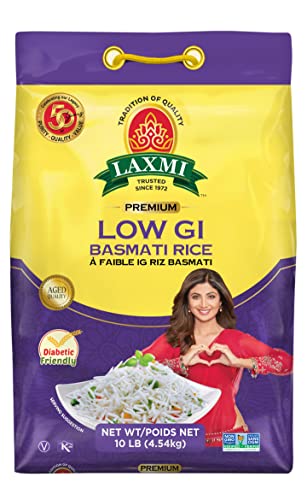
Basmati Rice is a long-grain, light, and nutty rice that is characterized by its delicate flavor. Grown in the Himalayas and Pakistan, this all-natural rice is of the highest quality and will be a delightful addition to any meal. House of Spices Laxmi Basmati Rice has a lower glycemic index, making it diabetic-friendly and perfect for your rice consumption. This product is guaranteed fresh and will add a touch of elegance to any dish without increased risk of high blood sugars while eating rice.
Looking for delicious and healthy whole grain rice to add to your meals? Look no further than Royal Brown Basmati Rice. This fluffy, aromatic rice is perfect in biryani, pulav, and fried rice, and is naturally gluten-free and vegan. Plus, the premium aged rice is packed with flavor and nutrients.
Above all, it's low in carbohydrates and is perfect to add to your diabetes diet. Give it a try today!

Diamond G Gluten-Free Brown Rice is a healthy and delicious way to enjoy a nutritious meal. This rice is gluten-free, non-GMO, and kosher, making them perfect for those with dietary restrictions. They are also very low in carbs and sugar, making them ideal for diabetics or those following a low-carb diet.

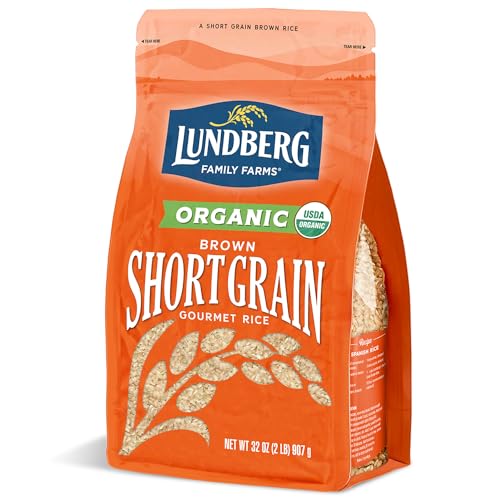
Lundberg Family Farms Organic Brown Rice is a pantry staple that clings together when cooked, has a nutty aroma and flavor, and is perfect for rice bowls and other everyday dishes. This product is Non-GMO, USDA certified organic, gluten-free, 100% whole grain, vegan, and kosher. Lundberg Family Farms strives to make every bite of their grains as healthful as they are delicious.
Looking for a delicious, healthy side dish? Tasty Bite's Brown Rice with quinoa and lentils is perfect for you! This mix of slow-cooked lentils, brown rice, and red quinoa is seasoned for a flavor that will complement any meal. Certified Organic and Non-GMO, vegan, kosher, and gluten-free, this rice is perfect for anyone on the go and compliments your diabetic diet.

What Rice Doesn’t Raise Blood Sugar Levels?
Rice is a good source of carbohydrates, which are turned into glucose in your body and then used for energy. When you eat rice, it gets digested quickly due to its high glycemic index (GI) and causes blood sugar levels to spike. This can be a problem if you have diabetes because too much glucose in your bloodstream at once will make insulin less effective at lowering them back down again.
There are some rice varieties that are great options for diabetics. Brown rice, a type of whole grain food, has been linked with lower blood sugar levels as well as improved insulin sensitivity in people with diabetes. Brown rice won’t raise your blood sugar as quickly because it contains more fiber than white rice, which slows down digestion and prevents spikes in glucose levels after eating. Additionally, certain rice varieties, particularly whole grain basmati rice, contain resistant starch which aids in slowing down sugar release into the bloodstream.
The better options for a diabetes diet are;
- Basmati Rice
- Wilde Rice
- Brown Rice
| Cooked 100 g Rice | Carbohydrates | Fiber |
|---|---|---|
| Short-grain white rice | 23.78 g | 0 g |
| Long-grain white rice | 28.10 g | 0.40 g |
| Black Rice | 34 g | 1 g |
| Red Rice | 23 g | 1.5 g |
| Long-grain brown rice | 25.85 g | 1.6 g |
| Wild Rice | 21.34 g | 1.8 g |
Different Varieties of Rice
There are over 40,000 varieties of rice, which means that there are many types to choose from. Some of the most popular ones include brown rice (also known as whole-grain), white rice, and basmati rice.
1. Brown Rice
Brown rice is healthier than other varieties because it contains more nutrients like fiber, protein, vitamins A, E, and B12, iron, magnesium, zinc, and much more vitamins and minerals. Brow rice is better for diabetics because it has a lower glycemic index than white rice. Brown rice also contains phytonutrients (natural chemicals found in plants) which can be beneficial for people with diabetes by helping to control blood glucose levels and reduce insulin resistance.
2. White Rice
White rice is the most commonly eaten type of rice. It’s high in carbohydrates and low in fiber, so it can cause spikes in blood sugar levels for those with diabetes. Therefore, it’s recommended to keep white rice consumption to a minimum and replace white rice with a more healthy whole grains option.
3. Wholegrain Basmati Rice
This variety has a nutty flavor and rich fragrance that comes from being aged at least six months before milling (grinding into flour). It’s often used as part of Indian dishes such as biryani or pilafs because Basmati rice cooks quickly due to its thin grain size. The grains are long enough that when cooked properly they won’t stick together like other varieties might do if overcooked, which means less mess on your plate! Brown basmati also contains antioxidants called polyphenols that may help lower cholesterol levels. Whole grain basmati rice is also a better option for diabetics because it has a low glycemic index.
4. Black Rice
Black rice is a whole grain that’s high in fiber and has a low glycemic index. It also contains antioxidants, which makes it a healthy choice for people with diabetes.
5. Wild Rice
This type of rice is actually not rice at all, but the seed of aquatic grass. It’s high in protein, fiber, and minerals like zinc and magnesium. However, it has a high glycemic index, so you’ll want to avoid it if you have diabetes.
6. Sticky rice
Sticky rice is made from glutinous (starchy) rice flour and is often used in desserts or dishes that are served as part of the main course. It’s very high in carbohydrates and calories, so you’ll want to avoid this variety.
7. Arborio Rice (risotto)
Arborio rice is a type of Italian white rice that’s typically used in dishes like risotto. It has a high glycemic index, so you’ll want to avoid it if you have diabetes.
Other Rice Grains
There are other options that can be used instead of rice. They contain more protein than white or brown varieties, so they may help keep you full for longer. There’s no reason to avoid these grains if you have diabetes as well!
1. Quinoa
This Andean grain is actually a seed, but it’s cooked like a grain. Quinoa is gluten-free and has a low glycemic index. It’s also high in fiber, protein, and minerals like magnesium and zinc.
2. Bulgur
Bulgur is made from whole wheat kernels that have been boiled, dried, and cracked into small pieces. Bulgur has a low glycemic index and is high in fiber, protein, and minerals like magnesium and zinc.
3. Pearl Barley
Pearl barley is made from whole-grain barley kernels that have been polished off their outer bran layer. They’re high in fiber and protein, with a low glycemic index.
4. Amaranth
Amaranth is a gluten-free seed that’s often used as a grain. It has a high protein content and a low glycemic index.
How To Cook Rice?
There are many ways to cook rice, but the most popular one is by boiling it in water. Here’s how you do it:
- Rinse the rice in cold water until the water runs clear
- Add the rice to a pot and cover with twice as much water as rice
- Bring to a boil over high heat, then reduce the heat to medium-low and simmer for 15 minutes
- Remove from heat and let sit for another five minutes before fluffing with a fork
Cooked white basmati rice will have a slightly sticky texture, while brown basmati will be fluffy. If you’re looking for something more savory, add some herbs like rosemary or thyme to the cooking water before boiling.
Another way to have cooked rice is by using a rice cooker. Just add the desired amount of rice and water, press the button, and let it do its thing!
A good thing about cooking rice slowly is that it lowers the GI. Instead of a pressure cooker, use a pan and add more water.
Conclusion
If you’re looking for rice that is low in carbs and high in nutrients, brown basmati rice may be the best option. Brown basmati has a lower glycemic index than white or wild varieties of rice, so it’s better for those with diabetes as well.
Wild Rice also has fewer carbohydrates than other types of rice such as Arborio which can make it useful to diabetics who want something more savory than the plain white or brown variety. If you need help deciding what type of rice would work best for your meal plan, talk to your dietitian about what the best options are for your diet!
Sources
At Diabetic Me, we are committed to delivering information that is precise, accurate, and pertinent. Our articles are supported by verified data from research papers, prestigious organizations, academic institutions, and medical associations to guarantee the integrity and relevance of the information we provide. You can learn more about our process and team on the about us page.
- National Library of Medicine White Rice Intake and Incident Diabetes: A Study of 132,373 Participants in 21 Countries
Source: National Library of Medicine - Harvard School of Public Health Eating white rice regularly may raise type 2 diabetes risk
Source: Harvard School of Public Health - National Library of Medicine White Rice, Brown Rice, and Risk of Type 2 Diabetes in US Men and Women
Source: National Library of Medicine - Stanford Medicine Brown Rice or White Rice: Glucose Control
Source: Stanford Medicine

Loving the section on different rice types! Always thought rice was off-limits for my diabetic uncle, but looks like there are options. Thanks for the insight, Inez Briand!
basmati rice is lit for diabetics or nah? gotta know for my grandpa
so can kids with a sugar problem eat brown rice? kinda worried if it’s safe.
from what I’ve read, brown rice is better for blood sugar cuz of fiber. maybe check with a doc to be sure.
Indeed, brown rice is generally considered better for people with blood sugar concerns due to its fiber content, which can help regulate blood sugar levels. However, it’s always important to consult with a healthcare provider for personalized advice.