

Diabetes is a chronic disease where the body cannot produce or respond to insulin properly. This makes diabetic patients susceptible to health complications if their feet are not cared for properly. As a diabetic, you need diabetic socks that provide cushioning and support while preventing skin irritation from occurring due to friction between the sock and foot. In order to do this, diabetic socks should fit well so that patients feel comfortable wearing them all day long without compromising their safety.
Socks are essential in every woman’s wardrobe. They can make or break an outfit, depending on how they look and fit. However, women’s diabetic socks need to be comfortable, supportive, and durable too because diabetic patients can have a slightly different foot shape that requires special attention when choosing the footwear. Here is your guide about women’s diabetic socks. What they are, why you should invest in them more than regular socks, size recommendations, and where to get these women’s diabetic socks at affordable prices so you won’t have to pay extra bucks just for this medical necessity!
Table of Contents
What Are the Benefits of Diabetic Socks?
Diabetic socks are designed and tailored specifically to diabetic feet. These socks offer increased foot-sleeve height and a diabetic arch design, which pulls the diabetic sock up over the ankle more than traditional diabetic socks, especially when seated or reclining. This is important because blood circulation returns to the toes very quickly when this area of the body is uncovered.
So what does this mean? Well, greater circulation will allow more oxygen-carrying red blood cells to get to your tissues and creates less pain in your extremities where they can get cut off from circulation. Additional features of diabetic socks include reinforced toes and heels with elasticized cuffs that help prevent possible blisters on ankles and heels.
What Are the Best Socks To Wear for Diabetics?
The best diabetic socks for women are those that offer the right balance between comfort and support.
It’s important to have diabetic sock material that is not too thick or too thin. Often diabetic socks are made of a cotton blend, which supplies a lot of cushioning and protection against blistering caused by friction from being worn all day long. But some diabetic socks have grips on them, these can restrict airflow around the foot, making it difficult for sweat to evaporate quickly inside the sock. This is where silicone grips come in handy as they provide grip without creating hot spots on diabetic patients’ feet.
As a diabetic or someone with neuropathy, your feet are delicate. You need socks with all the qualities necessary to care for those precious extremities: a non-binding top band. This cushioned sole prevents injury and blisters, has flat-felled seams that prevent rubbing and infection, and is non-irritating.
Dr. Segals Extra Cushioned Socks have what you're looking for and make a big difference! An anti-microbial treatment that naturally protects from bacteria and fungi, as well as moisture-wicking technology, keeps feet dry to discourage skin infections. These healthy kicks will keep your feet feeling happy through the toughest moments. It's time to tap out stinky old cotton socks in favor of this new product.
- Non-binding Top Band
- Flat-felled Seam
- Breathable
- Anti-Microbial Treatment
- Very comfortable
- None
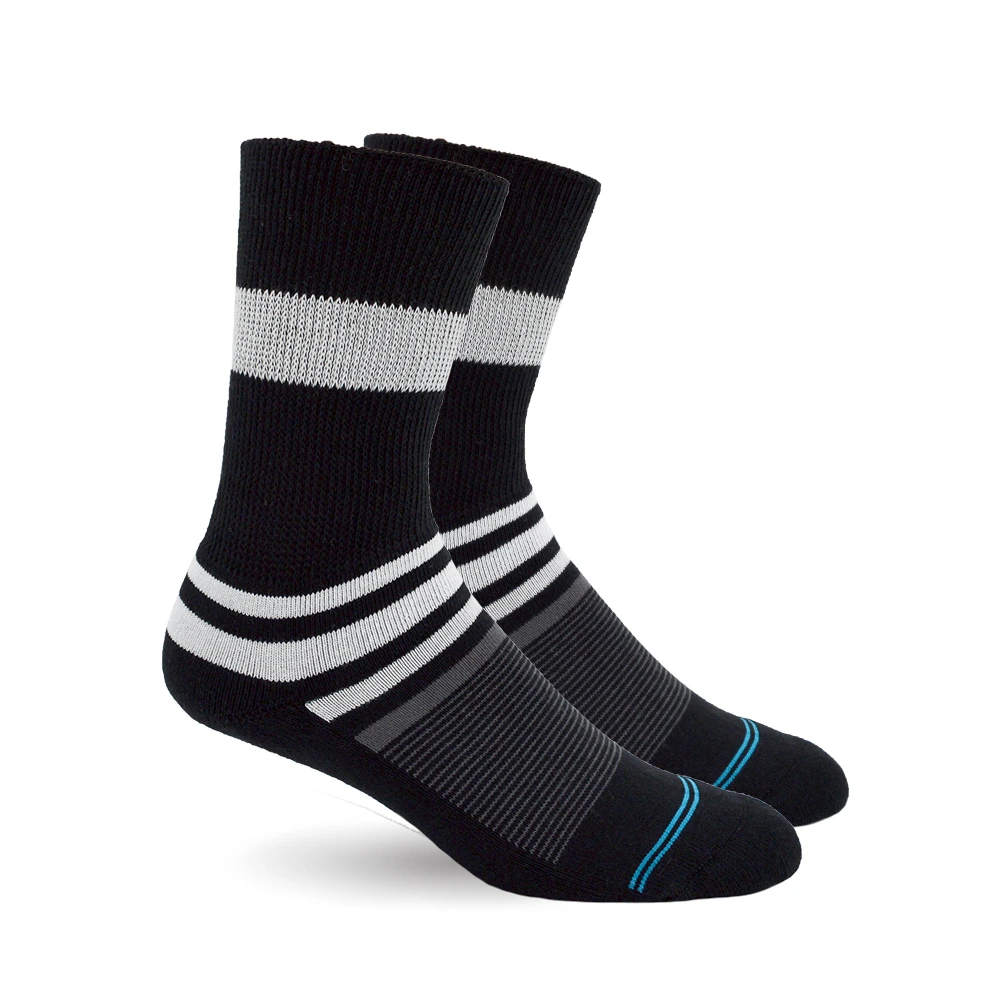
If your feet participate in high-demand activities or want to feel pampered and safe, these Yoman...
- Soft Bamboo material
- Thick padded toes
- Seamless toe closure
- Upper bands might be a bit tense when you have lots of swelling in your legs

Inflammation and neuropathy can lead to severe foot pain. Dream of days gone by when all your troubles could be solved with a special pair of Doctor's Choice Socks. Made from piping-hot Aloe-infusion therapy combined with ultra-breathable dual mesh ventilation to help relieve those dry itchy feet that easily accumulate bacteria and fungus without the perfect blend of bamboo charcoal fibers to keep everything fresh down there.
These socks are non-binding, which means they don't restrict your blood flow. They're made from lightweight high-performance fabric which will reduce leg discomfort and minimize bunching, abrasions, and irritation.

With anatomically designed-right and left sock design and seamless construction for complete comfort, you'll never want to take these on and off again.
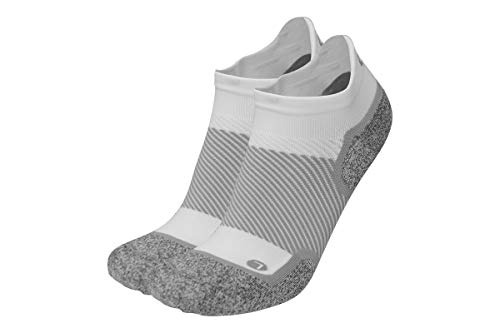
The 96% Polyester, 2% Spandex, and 2% Other Fibers make these diabetic ankle socks resistant to shrinking or stretching out of shape, while Silvadur's odor-resistant properties keep them fresh all day long.
Whether you're looking for relief from diabetes symptoms like dry feet and discomfort, or just want an easy outfit that feels like you're wearing nothing at all (affordable too!), then do what 1000s of people already did: order Dr. Scholl Women's diabetic circulatory ankle length socks.

Dryplex technology helps keep your feet cool and dry while bamboo absorbs odor-causing bacteria to prevent foot odors. These socks were designed by Orthofeet experts because no other sock compares when it comes to comfort and support - they'll change your life.

The ultra-breathable fabric that is kind to even sensitive skin allows moisture to evaporate without causing irritation making these socks perfect for both women with sensitive skin by providing protection against swollen ankles which are common in patients during cramped airplane flights or periods working long hours on one's feet. These are the right socks for you!
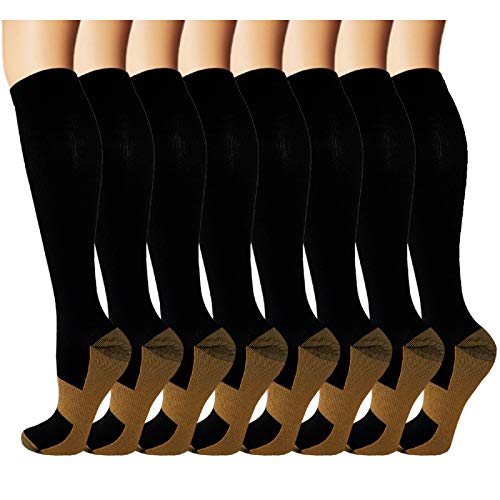
With a 3D progressive pressure design in place, the sustainable foot relief product ensures comfort while assisting in muscle recovery and improving circulation to prevent cramping and fatigue associated with plantar fasciitis. Made out of elastic material that stretches without giving way or sliding down, they won't disappoint!


What Is the Difference Between Diabetic Socks and Regular Socks?
Diabetic socks are made from a thicker cotton socks blend that is essentially diabetic-friendly.
Regular non-diabetic socks have a high tendency to break down and cause blistering on diabetic feet. Diabetic people need to take more care in what they wear as some fabrics can rub painfully which can worsen the conditions for diabetic patients. Diabetics should look for diabetic socks with silicone grips or those without any grip on them at all, as these allow better airflow around the foot and reduce sweating inside of the sock.
Are Diabetic Socks Tight or Loose?
Womens diabetic socks should be large enough to fit over the calf area while staying above the diabetic foot portion of the leg. They should not be too loose-fitting socks but also not too tight.
- Diabetic socks should not be tight around any part of the shoe, ankle, pressure points, or toes.
- Diabetic socks should be able to move slightly with your foot while maintaining enough material to keep it in place during normal activities like walking and running.
- Diabetic socks should also have a wide range of finished sizes so they can meet a variety of needs due to feet problems such as bunions or flat feet.
- Diabetic socks will most likely have a higher cost than regular woolen socks since they may have more labor involved with making them specifically for diabetics.
What Are The Best Women’s Diabetic Socks?
The best diabetic socks for women come with cushioning along with specific compression targets so it doesn’t feel like there’s anything restricting the circulation of blood from the lower extremities. You’ll also find women’s diabetic socks with a special coating to reduce friction and discomfort since diabetic patients usually have dry skin due to their condition.
Buyer’s Guide for Women’s Diabetic Socks
Size Recommendations
Diabetic socks come in different sizes, depending on the manufacturer or brand that you choose
- Small (S)
- Medium (M)
- Large (L)
To determine the size of women’s diabetic socks, measure around the widest part of both feet at ankle level while standing up against a straight wall corner; this way you’ll get an accurate measurement without having any shoes on because some people wear regular socks incorrectly thinking it’s okay when actually they’re too big or small.
- Small diabetic socks: fit women with a shoe size of up to ladies’ size 12 (US) or 39 (EU).
- Medium diabetic socks: this fits most average-sized feet ranging from ladies’ sizes 13 – 16 (US) or 40.50 – 42.75(EU).
- Large diabetic socks are designed especially for people with foot sizes bigger than these mentioned above, usually men’s shoes too. Make sure you look carefully at the sizing chart before buying diabetic socks because some manufacturers offer ankle-high diabetic socks while others only have over-the-calf options available.
Materials
If your socks do not fit well, they won’t provide the necessary support which is why you should invest in diabetic socks with good sizing to help keep your lower limbs safe plus comfortable throughout the day! Also, diabetic stockings come with different materials like cotton or wool; make sure diabetic socks don’t irritate sensitive foot areas because some material may feel itchy when worn all day long.
- Cotton feels soft but tends to shrink after frequent washing – not great if diabetic patients need special care for their feet/socks since they usually wash them daily due to hygiene concerns (fungi grow quickly under warm moist conditions).
- Wool has better moisturizing properties but diabetic socks made out of wool can be itchy and uncomfortable too if they do not come with a special coating.
What To Look for In Women’s Diabetic Socks?
Women’s diabetic socks need to have the right kind of material as well as natural breathability for those sensitive feet. In terms of thickness, diabetic socks should be lightweight with a good range of sizes as well as enough cushioning to support all pressure points on the foot and leg without any tightness or restriction. A diabetic sock’s comfort level is determined by its flat seams and lack of itchy materials on delicate areas like toes and arches – things women diabetic patients should not worry about!
When purchasing diabetic socks for women, keep the following characteristics in mind and prioritize them.
Don’t be concerned about it if you’re not sure whether or how to start. Before selecting, consult with your doctor. Wearing diabetic socks that are unsuitable might cause more damage than good.
A Non-binding Top
The best diabetic socks are those that aren’t binding, as this can restrict circulation and be painful. It’s critical that people with diabetes use loose-fitting socks to avoid restricting their legs and improve blood flow.
A Seamfree Interior
Seamless socks are a better option for people with diabetes because seams can be bothersome and restrictive on the feet. A seamless toe is a great option to protect your feet against irritation, ulcers, and possibly diabetic neuropathy due to poor blood circulation and high blood glucose levels.
Moisture-wicking Material
Diabetic socks are designed to pull moisture away from your feet and evaporate sweat. This means that it can minimize the risk of fungal infections, as well as prevent odor. Therefore, for those with diabetes make sure you’re investing in a good pair of acrylic fiber diabetic socks! These socks come made out of various materials such as cotton, wool, acrylics, bamboo, and more; but these all share one thing in common: each material fights off the feeling of tingling sensations on your soles due to nerve damage.
Anti-microbial treatment
Silver and copper-infused yarns are the best for discouraging bacteria. When athletes wear socks made from these materials, they have a reduced risk of foot infections because it is more difficult to grow fungi on them. Moreover, such material provides perfect odor control!
A Good Fit and Comfort
Good fit and comfort are important because it may lead to better circulation.
Too small or tight socks can irritate sensitive skin where seams would be more prone to rubbing against your body. It can also cause poor blood circulation.
If you don’t choose the right size and your socks are too big they might sag frequently.
An Extra-Padding
Carefully consider what type of socks to buy. You should always look for padded soles in order to prevent foot injuries and provide comfort during prolonged standing or exercise periods. Choose extra padding if you need more heel support when exercising, as an athlete might require it due to the workload they put on their feet every day.
Keep Your Feet Warm but Breathable
Socks for any foot type, especially those with sensitive feet, should be warm but breathable to maximize comfort. Insulation from moisture and cold is important for people with diabetes to prevent sweating or chilling while providing additional protection to your feet – a relevant concern if you have nerve damage like diabetic neuropathy that can lead to reduced sensitivity.
White Color
White diabetic socks are important for diabetics because they heighten the wearer’s sensitivity to injuries or wounds on their feet.
Noticeable blood stains stand out because not every diabetic might notice small wounds easily, especially if they have experienced nerve damage. White socks can also help prevent further injury by reminding people with diabetes to stay away from dangerous areas where cutting could easily occur.
Conclusion
Diabetic socks are a must for women with diabetes. It’s important to understand the features you should be looking for when buying diabetic socks and prioritize what is most important to you. You want diabetic socks that feature a seam-free interior, moisture-wicking material, anti-microbial treatment, good fit, and comfort with extra padding, cushioning, or sole protection if needed. When deciding on your diabetic sock size it’s best to try them on before purchasing so they aren’t too tight around your leg which can restrict blood flow or not have enough stretch in case of swelling during pregnancy. Make sure any diabetic socks you purchase also contain ventilation mesh and channels through the sock as well as white soles in order to notice small wounds more easily by noticing bloodstains on the fabric.

Good to know they’re not all tight. Hate tight socks, feels like my feet are in prison.
Great info on materials, gonna share this with my mom. She’s been looking for good diabetic socks.
but aren’t all socks supposed to be moisture wicking? what’s so special about these, Ely?
Not all, especially the cheap ones. Diabetic socks are different, trust me.
I love the idea of extra padding. Keeps the feet cozy. Might try knitting some myself.
do these socks make you run faster or something? my buddy could use the speed lol.
Actually, seamless interior is crucial for preventing blisters and infections. Good point in the article, Ely.
Absolutely right. It reduces the risks significantly.
Lol, next they’ll be selling diabetic shoes. Oh wait, they already do.
I’ve been wearing diabetic socks for years. The non-binding top really makes a difference, no more marks on my legs.
Diabetic socks? Do they come in beer flavors? Asking for a friend.
so does the color really matter for these socks? always thought it was just a style thing. Ely, what’s the deal?